If you’ve been staring at maps of Nepal wondering how to turn a “classic” trek into something a bit wilder, you’re in the right place. The Annapurna Circuit trek has been a bucket-list favorite for decades, but pair it with the Tilicho Lake trek, throw in a crossing of the remote Mesokanto La Pass, and finish with the legendary Thorong La Pass trek, and you’ve got a route that very few trekkers actually complete. It’s longer, tougher, and honestly a lot more rewarding.
This combination isn’t for everyone. It demands decent fitness, a few extra acclimatization days, and a willingness to walk trails that are noticeably quieter than the main Annapurna route. But if you’re after high alpine lakes, glacier-rimmed passes, and villages that still feel untouched by mass tourism, this is the itinerary. In this guide, we’ll walk through why each section of the trek matters, what to expect in terms of difficulty and permits, when to go, and how to actually plan the thing without losing your mind over logistics.
Why the Annapurna Circuit Trek Continues to Be One of Nepal’s Greatest Adventures
The Annapurna Circuit trek has been pulling in trekkers since the 1970s, and it’s not hard to see why. Over the course of two to three weeks, you pass through subtropical forest, terraced farmland, pine ridges, and finally the stark, wind-scoured plateau near the Tibetan border — all without leaving the same trekking region. Few routes anywhere in the world offer that kind of landscape variety in one continuous walk.
Along the way, you’ll move through Gurung and Thakali villages, then into areas with a much stronger Tibetan-Buddhist influence as you climb higher. Prayer flags, mani walls, and monasteries become part of the daily scenery rather than novelties. This cultural shift, paired with the changing terrain, is a big reason the Annapurna trekking route still draws thousands of hikers every year, even with the arrival of roads in some lower sections. It’s a Nepal trekking adventure that manages to feel both accessible and genuinely wild, depending on which side trips you add.
Adding the Tilicho Lake Trek Makes the Journey Even More Special
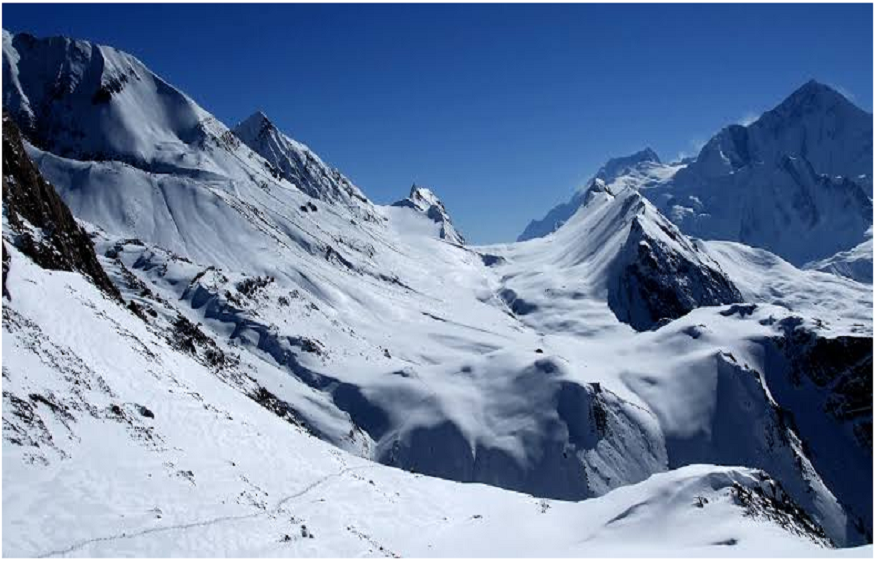
A lot of trekkers doing the standard circuit skip Tilicho Lake simply because they don’t know it’s an option or because it adds a few extra days they hadn’t budgeted for. That’s a shame, honestly, because the Tilicho Lake trek is one of the most rewarding side trips in the entire Annapurna region.
Tilicho is often marketed as the highest lake of its size in the world, and while that claim gets debated, standing at its shore is something else — a huge sheet of blue-green water sitting under the Grand Barrier’s icy walls, with barely another soul in sight if you time it right. It’s a proper detour, not a quick stop: expect two to three extra days depending on your pace and where you’re starting from.
Read More: A Nile River Cruise Is Egypt at Its Most Magical
Difficulty-wise, it’s a step up from the main circuit trail. The path along the lake’s approach crosses an exposed, unstable slope that can be nerve-wracking in bad weather, so this isn’t really a first-trek-ever kind of add-on. Still, for anyone doing the Annapurna Circuit with Tilicho Lake, most people agree it’s worth the extra effort and the extra days on the trail.
Mesokanto La Pass trek – Nepal’s Hidden High Mountain Crossing
What Makes Mesokanto La Pass Unique?
This is where the trip stops being “off the beaten path” and starts being genuinely remote. Sitting at roughly 5,300 meters, the Mesokanto La Pass trek connects the Tilicho Lake area with the Jomsom valley, and it sees a fraction of the traffic that Thorong La gets. The trail is rougher, occasionally faint, and crosses some loose scree and small glacial patches depending on the season.
What you get in return is solitude and views that most Annapurna trekkers never see — the Dhaulagiri massif opening up as you descend the western side, with almost nobody else on the trail to share it with. It’s one of those routes where the reward is directly tied to how few people bother attempting it.
Who Should Attempt Mesokanto La Pass?
This isn’t a pass for someone on their first big trek. You’ll want prior high-altitude experience, solid cardiovascular fitness, and ideally a guide who has crossed it before — the trail isn’t always obvious, and weather can shut down visibility fast. Anyone considering the Tilicho Lake and Mesokanto La Pass trek combo should also build in a buffer day or two, since snow or wind can delay the crossing entirely. This is not a route to rush.
Crossing Thorong La Pass – The Highlight of the Annapurna Circuit Trek
If Mesokanto La is the quiet, moody cousin, Thorong La is the main event. At 5,416 meters, the Thorong La Pass trek is often described as one of the highest trekking passes in the world that doesn’t require technical climbing gear, and it’s the section most people picture when they imagine the Annapurna Circuit.
Most trekkers cross before sunrise, leaving High Camp or Thorong Phedi in the dark, headlamps bobbing up a long, cold, switchbacking trail. The reason for the early start is simple — winds pick up by late morning, and nobody wants to be exposed near the top when that happens. It’s a genuinely tough few hours, both physically and mentally, but reaching the top with the sun coming up over the Annapurna and Damodar ranges is the kind of moment that sticks with you for years.
The descent toward Muktinath is long and knee-punishing, dropping over a thousand meters in a single push. By the time you reach the temple town below, most people are running on adrenaline and instant noodles. Between Thorong La Pass and the earlier Annapurna Circuit trek miles, this single day tends to define how people remember the whole trip.
Suggested Annapurna Circuit Trek Itinerary with Tilicho Lake and Mesokanto La Pass
Rather than a day-by-day breakdown, here’s the general shape the trek usually takes.
Arrival in Kathmandu
A day or two to sort permits, gear, and briefings, plus a bit of time to explore before heading into the hills.
Drive to the Trek Starting Point
A long but scenic drive (or a shorter flight option, depending on route) gets you to the trailhead, usually somewhere around Besisahar or Chame.
Trek Through Traditional Villages
The first stretch takes you through lower Manang district villages, gradually gaining altitude and shifting scenery from forest to alpine terrain.
Side Trip to Tilicho Lake
From Manang, the trail branches off toward Tilicho Base Camp and then up to the lake itself — a demanding but unforgettable detour.
Cross Mesokanto La Pass
From Tilicho, rather than backtracking, experienced trekkers push over Mesokanto La toward Jomsom, adding a genuinely remote stretch to the trip.
Continue Around the Annapurna Circuit
After descending into the Kali Gandaki valley, the route rejoins (or approaches) the main circuit path heading back toward Manang or continuing the loop.
Cross Thorong La Pass
The big one — an early start, a long climb, and a dramatic descent into Muktinath.
Return to Kathmandu
Drive or fly back from Jomsom or Pokhara, with a day or two to rest before flying home.
Best Time for the Annapurna Circuit Trek and Tilicho Lake Trek
Spring, roughly March through May, brings rhododendron forests into full bloom and generally stable weather, though afternoon clouds can build up in the lower valleys. It’s a solid pick if you want color in your photos alongside the mountains.
Read More: The Ultimate Day Trip: Ibiza to Espalmador by Private Yacht
Autumn, September through November, is the busiest and arguably the most reliable season — clear skies, crisp air, and the best odds of a clean pass crossing. This is when most people plan their best time for Annapurna Circuit trek searches, and for good reason.
Winter brings serious cold and a real chance that Thorong La or Mesokanto La could be snowed in or closed altogether, so it’s only for well-prepared, flexible trekkers. Monsoon season, June to August, means rain, leeches at lower elevations, and a higher risk of landslides on certain sections — generally best avoided unless you’re trekking in the rain-shadow areas further north.
Trek Difficulty, Altitude and Physical Preparation
Most days involve five to seven hours of walking, sometimes more on pass-crossing days. Altitude gain is gradual for the first week, then becomes more serious once you’re above Manang, where acclimatization days aren’t optional — they’re what keep you safe.
Beyond fitness, there’s a mental side to this trek that people underestimate. Cold mornings, thin air, and long uphill stretches wear you down psychologically as much as physically. Give yourself proper rest days, drink more water than feels necessary, and take altitude sickness seriously — headaches, nausea, and dizziness are your body’s way of telling you to slow down or descend. This applies just as much to the Thorong La Pass trek as it does to Mesokanto La Pass, if not more, given how remote the latter is.
Permits Required for the Annapurna Circuit Trek
You’ll need the ACAP (Annapurna Conservation Area Permit) since the entire route sits inside this protected zone. TIMS card requirements have shifted a few times over recent years, so it’s worth checking current regulations before you go, as independent trekking rules have changed in parts of Nepal. A valid passport with extra passport photos is standard for all permit paperwork, and as of recent policy updates, solo trekkers without a licensed guide face restrictions in several trekking regions — so factor that into your planning early, not the week before you fly out.
Accommodation and Food Along the Trek
This is proper tea house trekking country. Rooms are basic — twin beds, a shared bathroom down the hall in most places — but the dal bhat, momos, and endless cups of milk tea more than make up for it. Wi-Fi and charging are usually available for a small fee, dropping off almost entirely once you’re past Manang or in the more remote Mesokanto stretch. Hot showers exist but get pricier (and colder) the higher you climb, and bottled water gets replaced by boiled or filtered water in the higher villages for both cost and environmental reasons.
What Should You Pack for the Annapurna Circuit Trek?
Clothing should work as layers rather than one heavy jacket — thermal base layers, a fleece or down mid-layer, and a solid waterproof/windproof shell for the passes. Footwear matters more than almost anything else on this list; broken-in, ankle-supporting boots will save you from a miserable trip. For sleeping gear, a four-season sleeping bag is non-negotiable once you’re above Manang, since tea house rooms get properly cold at night.
On the trekking equipment side, poles help a lot on the Thorong La descent, and a headlamp is essential for the early pass starts. As for personal essentials, don’t skimp on sun protection — the UV exposure at altitude is brutal — and pack a basic first-aid kit along with any altitude medication your doctor has recommended.
Should You Hire a Guide for the Annapurna Circuit with Tilicho Lake and Mesokanto La Pass?
Honestly, for this particular combination, yes. The main circuit trail is well-marked and doable independently for experienced hikers, but Mesokanto La is a different story — trail markings thin out, weather changes fast, and there’s real value in having someone who knows the route and can make a call on turning back if conditions look bad. A good Annapurna trekking guide also smooths out permit logistics, helps with translation in remote villages, and can spot early signs of altitude sickness before they become serious. Current regulations in several Nepal trekking regions also require a licensed guide for independent trekkers, so it’s worth checking the rules for your specific route before assuming you can go solo.
How Much Does the Annapurna Circuit Trek Cost?
Costs vary a lot depending on trip length, whether you hire a guide and porter, and the season you travel in. A longer route like this one — with Tilicho Lake and Mesokanto La added — naturally costs more than the standard circuit simply because you’re adding trekking days, permits, and accommodation nights. Guide and porter fees, tea house accommodation, meals, permit costs, and domestic transport (flights or jeep rides to and from the trailhead) all factor into the total. Autumn and spring trips tend to sit at the higher end of pricing due to demand, while shoulder-season trekking can be noticeably cheaper. Most trekkers look at an Annapurna trekking package through a local operator to bundle these costs together rather than pricing everything out piece by piece.
Responsible Trekking in the Annapurna Region
The Annapurna Conservation Area supports a huge number of local livelihoods, so sticking to Leave No Trace principles isn’t just a nice idea — it genuinely matters here. Carry a reusable water bottle instead of buying plastic at every stop, eat and stay at locally run tea houses rather than skipping past them, and be mindful with photography, especially around monasteries and in villages where a quick “may I?” goes a long way. Wildlife in the higher reaches, including blue sheep and the occasional snow leopard track, deserves distance and respect too.
Final Thoughts
Combining the Annapurna Circuit trek with the Tilicho Lake trek, a crossing of Mesokanto La Pass, and the classic Thorong La Pass trek turns a well-known route into something far more personal. You get the cultural richness and variety the circuit is famous for, the quiet grandeur of Tilicho Lake, a proper wilderness challenge at Mesokanto, and the iconic high-altitude finish at Thorong La. It’s a longer trip, it takes more planning, and it’ll test you in places — but for trekkers who want more than the standard postcard version of Annapurna, this route delivers something a lot more memorable.
Frequently Asked Questions
- Is the Annapurna Circuit trek with Tilicho Lake suitable for beginners? Not really. The standard circuit alone can suit fit beginners with proper acclimatization, but adding Tilicho Lake and especially Mesokanto La Pass raises the difficulty considerably. Prior trekking experience at altitude is strongly recommended.
- How difficult is crossing Mesokanto La Pass compared to Thorong La Pass? Mesokanto La is generally considered more technical and remote, with a less defined trail and fewer facilities nearby. Thorong La is higher in traffic but better established, with clearer paths and more support along the way.
- What is the best season for the Annapurna Circuit trek and Tilicho Lake trek? Autumn (September–November) and spring (March–May) offer the most stable weather and clearest mountain views, making them the safest windows for both the lake detour and the pass crossings.
- How many days do I need for the Annapurna Circuit trek with Tilicho Lake and Mesokanto La Pass? Most itineraries run between 18 and 22 days total, depending on acclimatization needs, weather delays, and how much time you spend around Tilicho Lake.
- Do I need a guide for the Thorong La Pass trek and Mesokanto La Pass route? A guide isn’t strictly required for Thorong La, though many trekkers choose one for safety. For Mesokanto La, given how remote and poorly marked the trail can be, a guide is highly recommended and in some cases required under current regulations.
